Multilingual Event Planning: 4 Strategic Questions to Ask Yourself
When planning a multilingual event, clarity and preparation are essential. Whether it’s your first or fifth multilingual conference, the following four strategic questions will help ensure a smooth, inclusive experience.
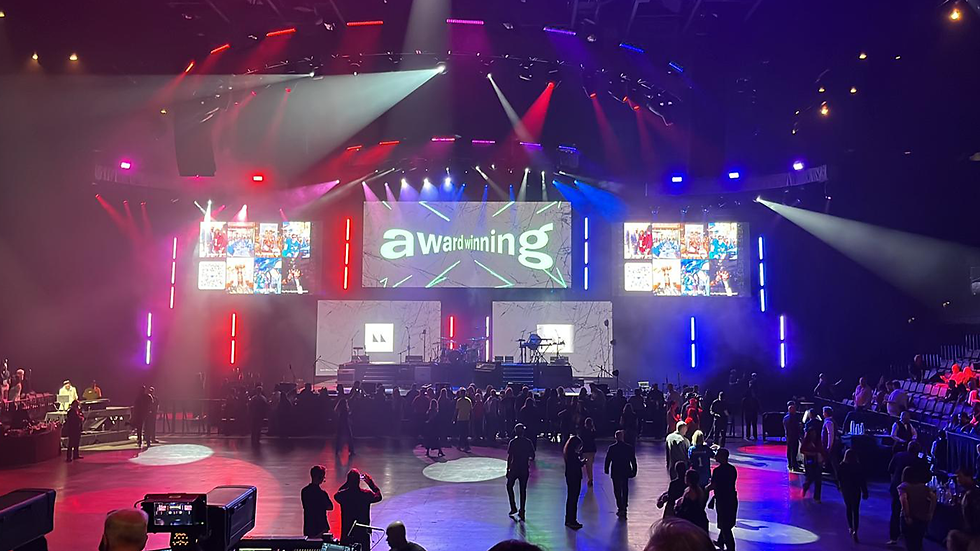
1. What are the event’s timeline and venue specifics?
Think early: dates, setup and teardown times, and how long interpretation services are needed.
Check the venue: room size, shape, ceiling height, visibility, and access to power and freight elevators. These details affect how interpreters work and what equipment you’ll need.
2. Which languages and how many people will need interpretation?
Will presentations be only in English with translation to other languages, or will there be multilingual speakers?
Count how many attendees need receivers for interpretation. For large or hybrid events, plan how to distribute and collect receivers, and ensure enough interpreters with proper experience.
3. What AV infrastructure and technology support do you require?
Standard AV often isn’t enough. You’ll need:
Soundproof booths, interpreter consoles
Clear audio feeds and possibly video feeds for presenters
Reliable streaming/video recording if remote or hybrid elements are involved
Talk early with both your AV provider and interpretation partner to align responsibilities and technical specs.
4. How much should you budget for quality interpretation?
Multilingual services deserve their own budget line. Overlooking this leads to poor sound, insufficient languages, or unqualified interpreters.Consider cost vs value: full booths and digital infrared receivers deliver top quality; tabletop booths or RF devices are lower cost, with trade-offs in quality.
Bringing It All Together
Asking the right questions at the start helps avoid costly surprises later. With clear planning for logistics, languages, technology, and budget, multilingual events become inclusive spaces where every voice is heard, and every participant feels part of the conversation.
